
7 Common Mistakes When Importing Steel Structures from China (And How to Avoid Them)
The 7 most costly and common mistakes when importing prefabricated steel structures from China, with practical solutions and buyer checklists to avoid pitfalls.
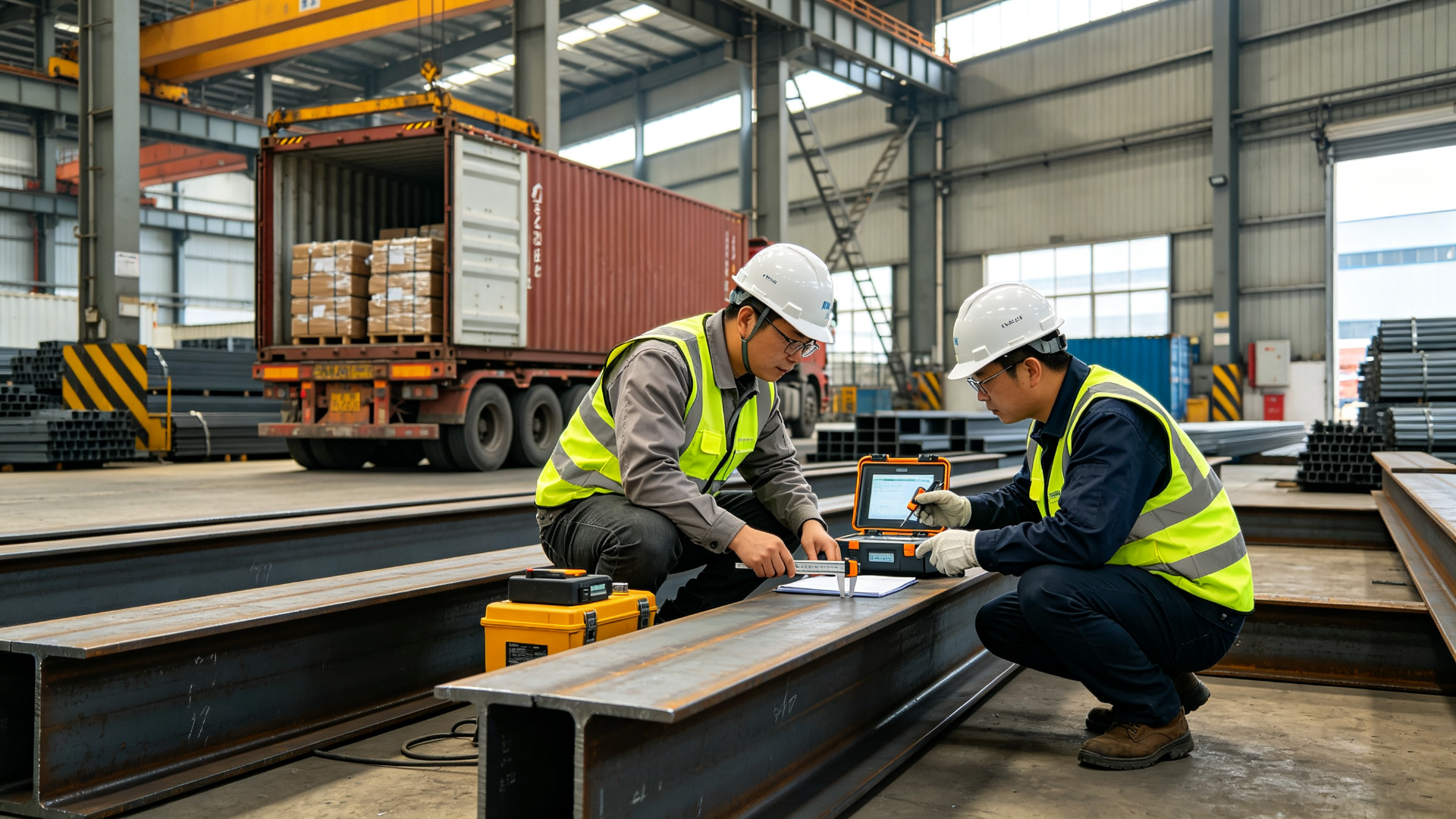
Importing steel structures from China can deliver significant cost savings and access to world-class manufacturing capacity. However, many buyers — especially first-time importers — make costly mistakes that lead to delays, quality issues, budget overruns, and even unusable shipments.
Based on years of experience working with overseas buyers, this guide outlines the 7 most common mistakes and how to avoid them.
Direct Answer: The 7 Mistakes at a Glance
| # | Mistake | Cost Impact | Difficulty to Fix |
|---|---|---|---|
| 1 | Incomplete project information before quoting | High | Moderate |
| 2 | Choosing supplier based only on lowest price | Very High | Very Difficult |
| 3 | Skipping factory verification and quality inspection | High | Very Difficult |
| 4 | Unclear coating and surface treatment specifications | Medium-High | Difficult |
| 5 | Ignoring packing, marking, and container loading planning | Medium | Moderate |
| 6 | Underestimating import documentation and customs requirements | Medium | Moderate |
| 7 | No post-delivery technical support or installation guidance | Medium-High | Difficult |
Mistake #1: Incomplete Project Information Before Quoting
The Problem
Many buyers send a simple request like: “I need a 50x20m steel warehouse, please quote.”
This leads to:
- Vague or inaccurate quotes that don’t match actual requirements
- Multiple rounds of clarification that delay the project
- Suppliers making assumptions that may not align with your needs
- Price comparisons that aren’t apples-to-apples
Why It Happens
Steel structure projects are highly customizable. The price depends on dozens of factors, and each supplier may make different assumptions when information is missing.
How to Avoid It
Provide a complete project brief including:
- Building dimensions: Length, width, eave height, roof pitch
- Building use: Warehouse, factory, workshop, hangar, etc. (affects live loads)
- Location: Country, city, specific site (affects wind/snow/seismic loads)
- Design loads: Wind speed, snow load, seismic zone (if known)
- Crane requirements: Capacity, span, height (if applicable)
- Cladding requirements: Roof/wall panel type, insulation, thickness
- Doors and windows: Size, quantity, type
- Coating requirements: Paint system, color, corrosion level
- Design standard: GB, AISC, EN, BS, AS/NZS, or local code
- Delivery terms: FOB, CIF, DDP, and destination port
If you have drawings or BOQ (Bill of Quantities), send them. This is the single most effective way to get accurate quotes.
Buyer Tip: Create a standard project information template and use it for all supplier inquiries. This ensures you’re comparing quotes on the same basis.
Mistake #2: Choosing Supplier Based Only on Lowest Price
The Problem
The allure of the lowest quote is understandable, but in steel structure manufacturing, you almost always get what you pay for. The cheapest quote often hides:
- Thinner steel than specified
- Inferior coating systems
- Poor welding quality
- No quality inspection
- Incomplete scope (missing accessories, fasteners, etc.)
- Hidden costs that emerge later
- Delayed delivery because the factory is overloaded with low-margin orders
Real-World Example
A buyer saved 15% by choosing the lowest quote, only to discover:
- The steel grade was Q235 instead of specified Q355
- Coating was 60 microns instead of specified 120 microns
- 20% of bolts were missing from shipment
- Total rework and replacement cost: 35% more than the original highest quote
How to Avoid It
- Compare quotes on equal scope: Make sure every supplier is quoting the same specifications
- Ask for itemized pricing: Steel weight, coating, fabrication, accessories, shipping
- Verify manufacturing capacity: Can they actually produce your order on time?
- Check references: Ask for similar projects they’ve completed
- Consider total cost of ownership: Not just purchase price, but maintenance, replacement, and downtime costs
- Watch for red flags: Quotes significantly below market average (15%+ lower than others)
Red Flags to Watch For:
- Quote is 20%+ lower than all competitors
- Supplier won’t provide factory photos or videos
- No quality inspection process mentioned
- Vague specifications in the quote
- Pressure to decide immediately
- No written contract or proforma invoice
Mistake #3: Skipping Factory Verification and Quality Inspection
The Problem
Many buyers never visit the factory or arrange third-party inspection, trusting supplier photos and promises. This is a major risk because:
- Photos can be from other factories
- Quality can vary between production runs
- Without inspection, defects may not be found until shipment arrives
- Correcting defects after delivery is extremely expensive
How to Avoid It
Factory Verification Options:
- Physical factory visit: The gold standard. Visit the factory, see production in progress, meet the team
- Video factory tour: Request a live video call showing the factory, equipment, and production
- Third-party factory audit: Hire companies like SGS, BV, or TUV to conduct factory audits
- Customer references: Ask for and contact previous customers in your region
Quality Inspection Options:
- During production inspection (DUPRO): Inspect materials, welding, coating during manufacturing
- Pre-shipment inspection (PSI): Final inspection before packing and loading
- Container loading supervision: Verify correct quantities and proper loading
- Third-party testing: Material certificates, weld testing, coating thickness verification
What to Inspect:
- Steel material certificates (mill test reports)
- Welding quality and inspection records
- Coating thickness (DFT) measurements
- Dimensional accuracy
- Component completeness against packing list
- Surface preparation quality
- Marking and identification
Buyer Tip: Even if you can’t visit the factory, arrange at minimum a pre-shipment inspection. The cost (typically $300–800) is negligible compared to the risk of receiving defective goods.
Mistake #4: Unclear Coating and Surface Treatment Specifications
The Problem
Coating is one of the most important factors in building lifespan, yet many buyers don’t specify it clearly. Common issues:
- Supplier uses cheapest paint available
- No surface preparation standard specified
- Coating thickness not verified
- Wrong coating type for the environment
- Color mismatch because no RAL/Pantone code specified
How to Avoid It
Specify coating requirements in detail:
- Surface preparation standard: Sa 2.5 (near-white metal) is recommended for most projects
- Coating system: Specify each layer:
- Primer: Type (epoxy zinc-rich, etc.), dry film thickness (DFT)
- Intermediate: Type, DFT
- Topcoat: Type (polyurethane, fluorocarbon, etc.), DFT, color code
- Total DFT: Specify minimum total dry film thickness (e.g., 120μm, 200μm, 250μm)
- Color: Specify RAL or Pantone code for both roof and walls
- Coating standard: Reference ISO 12944 or equivalent
- Inspection: Require DFT measurement reports and coating adhesion tests
Coating Recommendations by Environment:
| Environment | Recommended System | Total DFT |
|---|---|---|
| Mild/inland | 2-coat epoxy + polyurethane | 120–150μm |
| Coastal/humid | 3-coat epoxy zinc-rich + polyurethane | 180–250μm |
| Industrial/chemical | Specialized 3-coat system with chemical resistance | 250–300μm |
| Extreme corrosion | Hot-dip galvanizing + topcoat | As specified |
Buyer Tip: Always ask for coating thickness reports (DFT reports) and coating material certificates. A supplier that can’t provide these is cutting corners.
Mistake #5: Ignoring Packing, Marking, and Container Loading Planning
The Problem
Many buyers focus only on the building design and price, ignoring how components will be packed, marked, and loaded. This leads to:
- Damaged components during shipping
- Missing parts that are hard to identify
- Confusing assembly because components aren’t properly marked
- Container space wasted (higher shipping cost)
- Components that don’t fit through doors or into containers
- Customs issues because packing list doesn’t match cargo
How to Avoid It
Packing Requirements:
- Component protection: Specify edge protection, corner protectors, wrapping
- Bundle organization: Similar components bundled together, weight limits per bundle
- Moisture protection: Desiccants, vapor barriers for ocean shipping
- Stacking plan: How bundles stack in containers to avoid damage
Marking Requirements:
- Component marking: Each piece marked with drawing number, position, and size
- Bundle marking: Each bundle labeled with contents, weight, and project reference
- Orientation marks: “This side up,” “Top,” etc. for directional components
- Color coding: Optional color coding for different building zones
Container Loading Planning:
- Container type: 20ft, 40ft, 40ft HQ, open-top, flat rack (for oversized components)
- Loading plan: Detailed plan showing how components fit in each container
- Weight distribution: Even weight distribution, no overloading
- Lashing and securing: Proper securing to prevent movement during shipping
- Loading sequence: Order components for easy unloading and assembly
Documentation:
- Detailed packing list matching each container
- Container loading plan with diagrams
- Component location guide (which container has which parts)
- Assembly sequence guide
Buyer Tip: Ask the supplier for a container loading plan before shipment. This shows they’ve thought through logistics and helps you plan receiving and erection.
Mistake #6: Underestimating Import Documentation and Customs Requirements
The Problem
Importing steel structures involves significant documentation. Missing or incorrect documents can cause:
- Customs delays (days or weeks)
- Additional storage and demurrage fees
- Customs penalties or fines
- Cargo being held for inspection
- Inability to clear goods without paying extra
How to Avoid It
Required Documents (typical):
- Commercial Invoice: Detailed, with HS codes, values, and terms
- Packing List: Itemized, matching commercial invoice
- Bill of Lading (B/L): Correct consignee, notify party, and description
- Certificate of Origin: For preferential tariff treatment (if applicable)
- Material Test Reports (MTR): Steel mill certificates
- Quality Inspection Certificate: If third-party inspection was arranged
- Insurance Certificate: If CIF or insured shipment
- Technical Drawings: For customs classification and verification
Country-Specific Requirements:
- African countries: Often require SONCAP (Nigeria), PVOC (Kenya), COC (various)
- Middle East: SASO (Saudi), G-Mark (Gulf), various conformity certificates
- Southeast Asia: Form D (ASEAN), local standards compliance
- Europe: CE marking (if applicable), EN standards compliance
- Americas: ASTM standards, country-specific import requirements
How to Ensure Smooth Customs Clearance:
- Research your country’s requirements before ordering
- Ask the supplier about their experience exporting to your country
- Verify all documents before shipment leaves the port
- Use a reputable customs broker in your country
- Provide complete and accurate information to the supplier for documentation
- Allow buffer time in your project schedule for potential customs delays
Buyer Tip: Ask the supplier for copies of all shipping documents 3–5 days before the vessel arrives. This gives your customs broker time to review and prepare, avoiding delays.
Mistake #7: No Post-Delivery Technical Support or Installation Guidance
The Problem
Some buyers treat the purchase as complete when the shipment arrives. But for steel structures, successful delivery is only the beginning. Without proper technical support:
- Installation errors due to lack of guidance
- Missing or unclear assembly drawings
- No support for missing or damaged parts
- Installation delays because the erection team doesn’t understand the system
- Safety issues from improper installation procedures
- No warranty support if problems arise
How to Avoid It
Before Ordering, Confirm:
- Assembly drawings: Are detailed erection drawings provided?
- Installation manual: Is there a step-by-step installation guide?
- Technical support: Is there someone to contact during installation?
- Missing parts policy: What happens if parts are missing or damaged?
- Warranty terms: What is covered and for how long?
- Site supervision: Can they provide an engineer for site supervision (if needed)?
What Good Technical Support Includes:
- Detailed erection drawings with component location guides
- Step-by-step installation manual
- Foundation design guidance or review
- Bolt torque specifications
- Safety guidelines for erection
- Technical contact person available during installation
- Prompt response for missing/damaged parts
- Video or remote support for complex assemblies
For First-Time Buyers or Complex Projects:
Consider arranging:
- Factory training: Visit the factory for installation training
- Site supervision: Have a supplier engineer on-site during critical erection phases
- Video support: Scheduled video calls during installation
- Local partner: Work with a local erection team experienced in Chinese steel structures
Buyer Tip: Ask for sample installation drawings and manuals before ordering. The quality of these documents is a good indicator of the supplier’s overall professionalism and technical capability.
Bonus: Additional Common Mistakes
Mistake #8: Not Planning for Currency and Payment Terms
- Currency fluctuations can change your total cost
- Use appropriate payment terms (typically 30% deposit, 70% before shipment)
- Confirm payment methods and any bank fees
Mistake #9: Ignoring After-Sales and Warranty
- Understand what the warranty covers
- Know the claim process
- Keep all documentation for warranty claims
Mistake #10: Not Building a Long-Term Relationship
- A good supplier relationship leads to better service, pricing, and support
- Communication is key throughout the project
- Provide feedback and build trust
Final Buyer Checklist
Before placing your order, confirm:
- Complete project information provided (dimensions, loads, use, location)
- Drawings or BOQ sent to supplier
- Multiple quotes obtained and compared on equal scope
- Factory verified (visit, video, or third-party audit)
- Quality inspection arranged (at minimum pre-shipment)
- Coating system specified in detail (surface prep, layers, DFT, color)
- Packing and marking requirements specified
- Container loading plan requested
- Import documentation requirements researched
- Shipping documents review process established
- Technical support and installation guidance confirmed
- Warranty terms understood
- Payment terms and currency risk considered
- Project schedule includes buffer for shipping and customs
Conclusion
Importing steel structures from China can be a smooth, cost-effective process when done correctly. The key is to:
- Provide complete information upfront for accurate quotes
- Choose based on total value, not just lowest price
- Verify quality through factory visits and inspections
- Specify details (coating, packing, marking) clearly in writing
- Plan logistics (container loading, documentation, customs)
- Ensure support (technical guidance, warranty, after-sales)
Avoiding these 7 common mistakes will save you time, money, and frustration, and help ensure your steel structure project is delivered on time, on budget, and to the quality you expect.
Planning to import steel structures from China? Send your project requirements, drawings, or specifications. ZhongSai can provide a detailed quotation with clear scope, coating specifications, and logistics planning. We support buyers from initial inquiry through installation with technical guidance and responsive communication.