
How Long Do Steel Structure Buildings Last? Durability, Maintenance & Lifespan Guide
A comprehensive guide to steel structure building lifespan, covering durability factors, corrosion protection, maintenance requirements, and practical tips to extend your building's life.
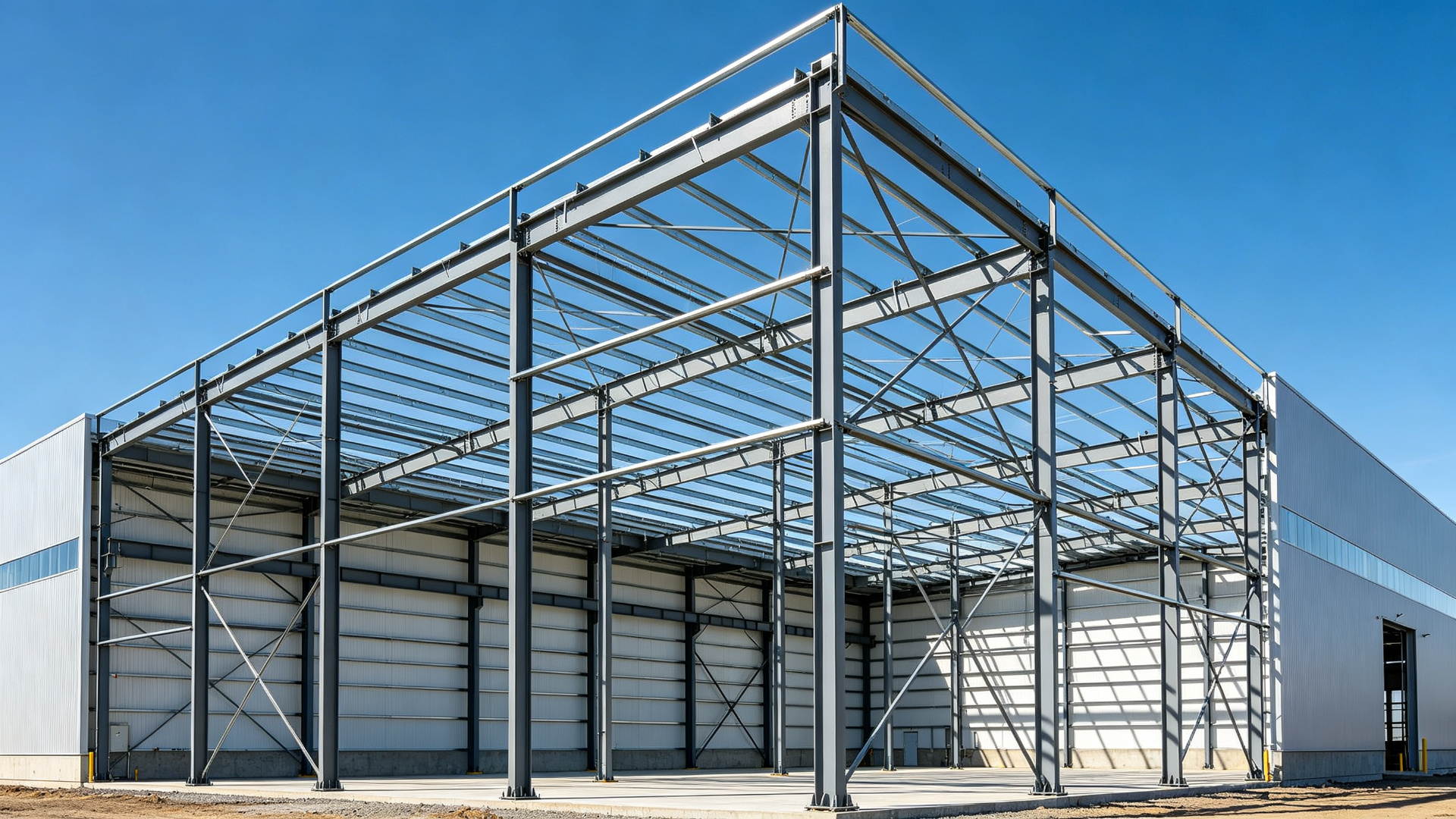
When investing in a steel structure building, one of the most common questions buyers ask is: “How long will it last?”
The short answer: A well-designed, properly fabricated, and regularly maintained steel structure building can last 50 to 100+ years. Many steel buildings constructed in the mid-20th century are still in active use today.
However, the actual lifespan depends on multiple factors. This guide breaks down everything you need to know about steel building durability, maintenance, and how to maximize your investment.
Direct Answer: Steel Building Lifespan by Component
| Component | Typical Lifespan | Key Factors |
|---|---|---|
| Primary Steel Frame (beams, columns) | 50–100+ years | Coating quality, environment, maintenance |
| Roof Panels | 20–40 years | Material grade, coating, slope, climate |
| Wall Panels | 25–45 years | Coating system, exposure, maintenance |
| Fasteners & Bolts | 20–50 years | Material (galvanized vs. stainless), torque |
| Insulation | 15–30 years | Type, installation quality, moisture exposure |
| Doors & Windows | 15–30 years | Usage frequency, material, maintenance |
The primary structural steel frame is the longest-lasting component. With proper corrosion protection, it can outlast the building’s original purpose and be repurposed for new uses.
Key Factors That Affect Steel Building Lifespan
1. Corrosion Protection System
This is the single most important factor. Steel itself is strong but vulnerable to rust. The coating system determines how well the steel is protected:
- Shot blasting / surface preparation: Proper surface preparation (Sa 2.5 standard) ensures coating adhesion
- Primer layer: Typically epoxy zinc-rich primer for corrosion resistance
- Intermediate coat: Epoxy build coat for added thickness
- Top coat: Polyurethane or fluorocarbon finish for UV resistance and color retention
Total dry film thickness (DFT) typically ranges from 120–300 microns depending on the environment. A thicker, properly applied coating system directly extends the building’s life.
2. Environmental Conditions
The location of your building significantly impacts its lifespan:
- Mild/inland environments: 60–100+ years with standard coating
- Coastal/humid environments: 40–70 years, requires enhanced corrosion protection
- Industrial/chemical environments: 30–50 years, needs specialized coating systems
- Extreme temperature zones: Thermal cycling can affect coating integrity over time
For coastal or industrial projects, hot-dip galvanizing or specialized coating systems are recommended.
3. Design Quality
A well-engineered building lasts longer because:
- Proper load calculations prevent overstress
- Adequate drainage prevents water accumulation
- Proper ventilation reduces condensation
- Accessible design makes maintenance easier
- Use of appropriate steel grades (Q235, Q355, etc.)
4. Fabrication Quality
Manufacturing quality directly affects durability:
- Accurate cutting and drilling reduce stress concentrations
- Quality welding (with proper inspection) ensures structural integrity
- Proper surface preparation before coating
- Consistent coating application with verified thickness
- Component marking for correct assembly
5. Installation Quality
Even the best fabricated components can fail if installed poorly:
- Proper foundation anchoring
- Correct bolt torque values
- Plumb and alignment verification
- Proper sealing at panel joints
- Flashing and trim installation
6. Maintenance Program
Regular maintenance is the most controllable factor in extending building life:
- Annual visual inspections: Check for coating damage, rust spots, loose fasteners
- Roof inspections: Check for panel damage, sealant condition, drainage
- Gutter cleaning: Prevent water backup and corrosion
- Coating touch-ups: Address scratches and chips promptly
- Fastener checks: Tighten or replace loose bolts
- Drainage maintenance: Keep gutters and downspouts clear
Common Misconceptions About Steel Building Lifespan
Myth 1: “Steel buildings rust away in 20 years”
Reality: With proper coating and maintenance, the primary steel frame lasts 50–100+ years. The 20-year figure often refers to roof panels, which are replaceable components, not the structural frame.
Myth 2: “All steel buildings are the same”
Reality: There is enormous variation in quality. A building with 80-micron single-coat paint will not last as long as one with 250-micron three-coat system. Steel grade, welding quality, and fabrication standards also vary significantly.
Myth 3: “Steel buildings are maintenance-free”
Reality: While low-maintenance compared to other building types, steel buildings still require regular inspection and upkeep. A building that is never inspected or maintained will have a significantly shorter lifespan.
Myth 4: “Once rust starts, the building is done”
Reality: Surface rust can be treated and recoated if caught early. Regular inspections catch problems before they become structural issues. Only severe, long-neglected corrosion compromises structural integrity.
How to Extend Your Steel Building’s Life
During Design & Procurement
- Specify proper coating system for your environment
- Require surface preparation standards (Sa 2.5 minimum)
- Ask for coating thickness verification (DFT reports)
- Choose appropriate steel grades for your loads
- Ensure proper drainage design to prevent water pooling
- Request weld inspection reports (NDT/UT as applicable)
During Installation
- Hire experienced erection teams
- Verify foundation quality before erection
- Check bolt torque after installation
- Ensure proper sealing at all joints and penetrations
- Touch up any coating damage from shipping/handling immediately
During Operation
- Conduct annual inspections (or bi-annual in harsh environments)
- Clean gutters and drains regularly
- Touch up coating damage promptly
- Tighten/replace fasteners as needed
- Replace worn sealants around openings
- Keep vegetation away from building base
- Address leaks immediately to prevent interior corrosion
When to Consider Major Maintenance or Renovation
| Building Age | Typical Maintenance Needs |
|---|---|
| 0–10 years | Annual inspections, gutter cleaning, minor touch-ups |
| 10–20 years | Roof panel inspection, fastener replacement, sealant renewal |
| 20–30 years | Possible roof panel replacement, full coating inspection, major fastener replacement |
| 30–50 years | Structural coating renewal, component replacement as needed, possible cladding upgrade |
| 50+ years | Full structural assessment, possible repurposing or major renovation |
The structural frame itself typically does not need replacement at these intervals — it is the cladding, fasteners, and coating systems that require periodic renewal.
Buyer Checklist: Questions to Ask Your Supplier
Before purchasing a steel structure building, ask these questions to ensure long-term durability:
- What coating system is included? (Number of coats, total DFT, paint type)
- What surface preparation standard is used? (Sa 2.0, Sa 2.5, Sa 3.0)
- Can you provide coating thickness reports?
- What steel grades are used? (Q235, Q355, etc.)
- What welding standards are followed? (GB, AWS, EN, etc.)
- Is weld inspection performed? (Visual, UT, MT as applicable)
- What fastener material is used? (Galvanized, stainless steel)
- What is the expected lifespan for each component?
- What maintenance do you recommend?
- Can you provide references for buildings 20+ years old?
Conclusion
A steel structure building is a long-term investment. With:
- Proper design for your specific environment
- Quality fabrication with verified coating systems
- Professional installation
- Regular maintenance and inspections
Your steel building can easily last 50–100+ years, often outliving its original purpose and being adapted for new uses.
The key is to invest in quality upfront and maintain the building throughout its life. The cheapest building today may become the most expensive building over its lifetime due to premature maintenance and replacement costs.
Planning a steel structure project? Send your project requirements, drawings, or specifications. ZhongSai can review your project and provide fabrication recommendations based on your environment and expected lifespan requirements.